
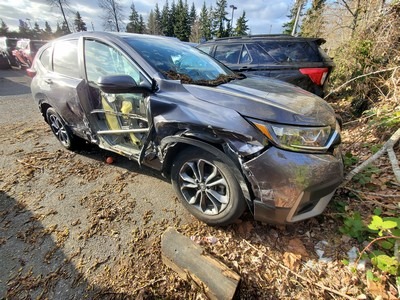
Diminished value is a term used to describe the reduction in a vehicle’s market worth that occurs after it has been involved in an accident and subsequently repaired. This concept holds significant importance because, even when a reputable auto repair shop restores your car to its original pre-accident condition, the fact that the vehicle has a history of damage can continue to affect its desirability and resale price negatively. Potential buyers often hesitate to purchase cars with records of previous accidents, regardless of how well those vehicles have been fixed. Their reluctance generally stems from concerns about hidden defects or potential future mechanical problems that may not be immediately visible or detectable during an inspection.
When you file an insurance claim following an accident, it is crucial to understand how diminished value could impact your car’s long-term financial standing. It is most worthwhile for newer, high-value, or luxury vehicles, as older cars with high mileage may not see a significant drop in value. In some cases, insurance companies provide compensation for this reduction in value—known as a diminished value claim—but such compensation is not always automatically included in standard settlements. Being aware of this can help you advocate for yourself more effectively during the claims process.
There are three recognized types of diminished value:
- Inherent Diminished Value – This refers to the loss of value simply because the car has a history of accident damage, even if it was perfectly repaired with no visible flaws.
- Repair-Related Diminished Value – This occurs when there is a noticeable loss of value due to poor-quality repairs that may have left cosmetic imperfections or structural weaknesses.
- Immediate Diminished Value – The instant drop in market worth that takes place right after an accident before any repairs are conducted.
Vehicle owners often need to actively pursue diminished value claims by submitting detailed evidence such as repair invoices, expert appraisals, and documentation demonstrating their car’s lower post-repair market price compared with similar undamaged vehicles. Proactively understanding and addressing diminished value with your insurer or auto repair professional can empower you to make more informed decisions regarding your vehicle’s future.
By thoroughly investigating and documenting any loss in resale worth after repairs, you safeguard yourself from unexpected financial setbacks if you decide later to sell or trade in your car. This heightened awareness ensures that you grasp the true impact an accident—and its subsequent repairs—can have on your vehicle’s overall market appeal and eventual selling price.
Who Can Claim Diminished Value?
Diminished value claims can only be made by individuals who meet specific criteria as claimants within the context of a vehicle accident case. Specifically, the claimant must be the owner of a vehicle involved in an accident for which they were not at fault—that is, they are not responsible for causing the collision. This distinction matters greatly because diminished value pertains specifically to the decrease in market worth after damage has occurred and been repaired.
Insurance companies typically recognize and compensate for diminished value only when claims originate from these non-liable parties—the owners whose vehicles were damaged due to another driver’s negligence or fault. To put it simply: insurance payouts related to diminished value are generally made either directly to claimants who suffered damages caused by others or indirectly through individuals whose insured drivers caused harm elsewhere on the road—not those who themselves were found at fault during accidents.
How Do I Claim Diminished Value?
The first crucial step in claiming diminished value is to explicitly inform your insurance company’s adjuster of your intention to file such a claim. This clear communication is essential because it alerts the insurer that you are pursuing compensation not only for repair costs but also for the loss in your vehicle’s market value due to prior damage. Once you have notified the adjuster, they should promptly provide all necessary documents and forms required to initiate this specific process within the broader context of your insurance settlement. Taking this early action helps ensure that your claim is properly documented from the outset, thereby preventing unnecessary delays or complications during subsequent evaluation and processing stages.
After notifying the insurance company, the next step involves scheduling a comprehensive post-repair inspection, which is typically coordinated by your insurance adjuster. During this inspection phase, qualified professionals conduct a meticulous examination of various aspects related to how well repairs were carried out on your vehicle. Inspectors closely scrutinize details such as color matching between newly repaired panels and the original paintwork; assess whether paint textures remain consistent across surfaces; verify accurate alignment and fitment of body panels; confirm precise structural alignment; and ensure that all parts meet manufacturer specifications. This thorough evaluation helps determine if any residual issues exist despite completed repairs.
All these detailed inspections collectively contribute to establishing whether there remains any diminution—or reduction—in your vehicle’s overall market value that can be directly attributed to previous accident-related damage rather than its current physical condition alone. Understanding each stage involved—from recognizing what constitutes diminished value through knowing eligibility requirements for filing claims—positions you advantageously when negotiating with insurers following unfortunate vehicular collisions. These claims protect not only safety considerations but also safeguard economic interests tied closely into maintaining automotive investments over time.
Do I Have To Accept The Insurance Company’s First Offer?
No, you are not obligated to accept the initial offer made by an insurance company regarding diminished value claims. Typically, an insurer’s first offer tends to be lower than what might fairly compensate for actual losses in market value. Armed with thorough documentation—such as evidence of comparable vehicle values in your local area, detailed assessments of damage extent, and proof of high-quality repairs—you will be better equipped to negotiate towards a more reasonable and amicable settlement with the insurer.
It is important to remain vigilant during these negotiations because insurance companies may intentionally delay or prolong discussions as a strategy aimed at pressuring claimants into accepting less favorable offers prematurely. Being prepared with comprehensive information and understanding industry practices can help counteract such tactics and empower you to secure fair compensation reflective of true diminished value losses sustained by your vehicle after an accident.
