
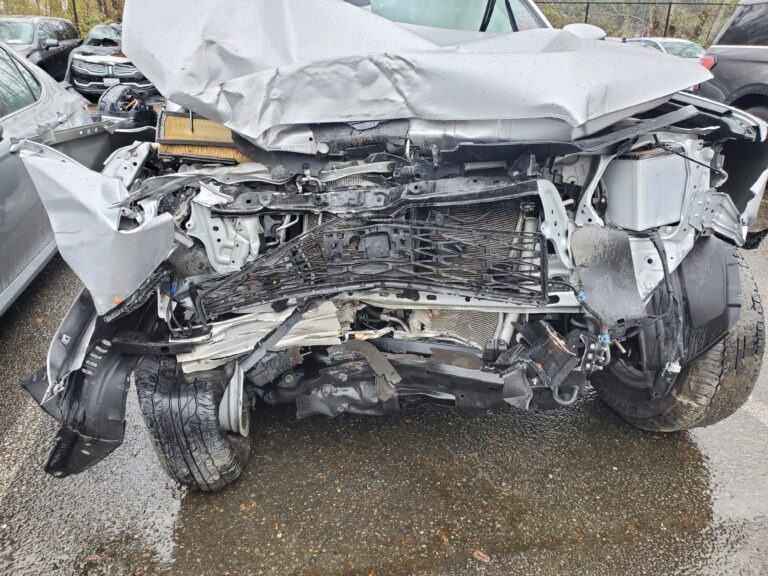
If you’ve recently found yourself involved in an accident, you may have come across some terms within your insurance company’s repair estimate that raise numerous questions, particularly the abbreviations OEM, LKQ, and A/M. Gaining a comprehensive understanding of what these terms signify is not merely beneficial; it is absolutely crucial for ensuring that your vehicle is restored to its optimal condition and for navigating the often complex repair process with confidence and clarity. To begin with, both LKQ (Like Kind Quality) and A/M (Aftermarket) parts play significant roles in how repairs are conducted on your vehicle. Opting for LKQ components might be an attractive choice if you’re looking for a budget-friendly option that still maintains decent performance levels after repairs are completed. In contrast, choosing A/M components could potentially lead to enhanced performance or even additional features that may not be present in the original equipment. Nevertheless, this choice does come with its own set of risks; issues related to fitment or durability can arise depending on each brand’s reputation and manufacturing standards. This decision-making process highlights the importance of open dialogue with your mechanic or repair specialist about which options would best suit your needs while ensuring a safe driving experience long after the repairs have been completed. By discussing these factors thoroughly and seeking professional advice tailored to your unique situation, you empower yourself as a conscientious vehicle owner. Ultimately, understanding these terms equips you with valuable knowledge when making decisions regarding repairs after an accident. By being informed about what LKQ and A/M mean—and how they influence both immediate costs as well as long-term performance—you position yourself to advocate effectively for repairs that will keep your vehicle operating safely and efficiently well into the future. This proactive approach not only protects your investment but also ensures peace of mind as you return to the road.
OEM
OEM parts, or Original Equipment Manufacturer parts, are specifically designed and manufactured by the same company that produced your vehicle. For instance, if your car is a Ford, then OEM parts would be those created by Ford itself—exactly the same components that were originally installed in your vehicle during production. This means you can trust that they meet the exact specifications and quality standards set forth by the manufacturer. One of the key advantages of using OEM parts is that they are engineered to fit seamlessly with your vehicle and function perfectly within its intricate systems. Unlike aftermarket alternatives, which may vary in quality and compatibility, OEM parts ensure reliability and longevity. Furthermore, choosing OEM components typically will not void any warranties on your vehicle; in fact, it can actually help maintain them. This peace of mind is invaluable for any car owner who wants to preserve their investment while ensuring optimal performance and safety on the road. Therefore, when it comes to repairs or replacements for your vehicle’s parts, opting for OEM options is not just a matter of preference; it’s a smart decision that underscores a commitment to quality and reliability.
LKQ
The abbreviation LKQ stands for “Like Kind and Quality,” a term that carries significant implications in the realm of automotive repairs and parts replacement. This designation indicates that the components being proposed for replacement are not merely similar, but are, in fact, equivalent to the original parts in terms of both functionality and quality. Typically, LKQ parts are salvaged or previously used components that have undergone rigorous inspection processes to ensure they meet specific industry standards for safety and performance. Opting for LKQ parts can undeniably be a cost-effective solution for vehicle repairs, allowing consumers to save money while still maintaining a high standard of quality in their vehicles. However, it is crucial to consider the source of these components; since they come from other vehicles that may have experienced different driving conditions and levels of wear and tear, there might be variations between these used parts and brand-new alternatives. These differences can impact not just the longevity but also the overall performance of your vehicle. In conclusion, while LKQ parts present an appealing option for budget-conscious individuals seeking reliable replacements without breaking the bank, it is essential to weigh the pros and cons carefully. Understanding where these components originate from can help ensure that you make an informed choice that prioritizes both safety and value in your automotive repair decisions.
A/M
A/M, which stands for “Aftermarket,” refers to parts that are not produced by the original equipment manufacturer (OEM) but rather by independent third-party companies. These aftermarket parts present an enticing proposition for insurance companies and consumers, as they frequently serve as a more budget-friendly alternative to OEM replacements without compromising on essential safety and performance standards. In fact, many aftermarket components are meticulously engineered to not only meet but sometimes exceed the specifications set by their OEM counterparts. Choosing aftermarket parts can be a savvy financial decision, allowing individuals and businesses alike to save money while maintaining the functionality and reliability of their vehicles or machinery. For instance, if you’re looking to replace brake pads or a fuel pump, opting for an A/M part could result in significant savings that you could use elsewhere, but choosing aftermarket body panels such as hoods or fenders could result in poor panel alignment and fitment, resulting in a poor repair that could adversely affect your vehicle’s value. It is important to approach this market with caution; the quality of aftermarket products can vary widely. While some manufacturers adhere strictly to high standards of design and production—resulting in parts that may even outperform OEM offerings—others might cut corners or lack adequate quality controls. Therefore, it’s crucial for consumers to conduct thorough research when considering A/M options. Reading reviews, consulting with professionals in the industry, and choosing reputable manufacturers can ensure that you select high-quality aftermarket components that deliver exceptional performance and durability. By making informed choices about aftermarket parts, you can enjoy both cost savings and peace of mind knowing your vehicle operates at its best.
When it comes to the repair of your vehicle, it’s important to understand the underlying motivations behind insurance companies’ strong encouragement for repair shops to utilize aftermarket (A/M) parts. The financial incentives are clear and compelling: using A/M parts can result in substantial savings that appeal both to insurers and consumers alike. However, while these cost benefits may seem attractive at first glance, it is crucial to consider the potential implications on the overall quality of the repair. Our extensive experience in the industry has revealed significant discrepancies in quality when comparing A/M parts to original equipment manufacturer (OEM) components. For instance, many A/M parts are often constructed from lighter or thinner metals, which can compromise their durability and longevity over time. This use of inferior materials not only raises concerns about safety but also affects how well these parts fit into your vehicle’s design. Moreover, A/M components frequently feature rounded edges rather than straight, sharp edges—this seemingly minor detail can have a profound impact on both aesthetics and functionality. Precision is key in automotive repairs; any deviation from the original specifications can lead to misalignments or gaps that not only detract from your vehicle’s appearance but may also affect its performance. Additionally, we have observed issues with character lines on certain panels made from A/M materials. These character lines are essential for maintaining the sleek profile and aerodynamic efficiency of your vehicle; if they are poorly replicated or absent altogether, it could result in an unsightly finish that diminishes your car’s overall value. In summary, while opting for aftermarket parts may initially seem like a smart financial decision due to lower costs promoted by insurance companies, you must weigh this against potential risks associated with compromised quality and performance. Ultimately, ensuring that your vehicle receives repairs with high-quality components will safeguard not just its aesthetics but also its safety and long-term reliability on the road.
Now, don’t get us wrong—there is indeed a time and place for using aftermarket (A/M) parts when it comes to vehicle maintenance and repair. If you find yourself the proud owner of an older vehicle, especially one that holds sentimental value or serves as a reliable companion on your daily commute, but you’re hesitant about investing in a brand-new replacement, then aftermarket parts can be an excellent solution for you. These components not only provide an affordable alternative to OEM (original equipment manufacturer) parts but also allow you to keep your cherished vehicle running smoothly without breaking the bank. For many drivers, the financial burden of purchasing a new car can be overwhelming; thus, opting for A/M parts enables you to extend the life of your vehicle without sacrificing quality. With these alternatives, you can effectively address issues ranging from minor repairs to more significant upgrades while ensuring that your car remains presentable and functional for the foreseeable future. By choosing A/M parts wisely, you’re not just preserving your vehicle’s usability; you’re making a smart investment that keeps both your wallet and your wheels happy.
When it comes to aftermarket (A/M) parts, quality and reliability are top priorities for both repair professionals and vehicle owners. This is where CAPA certification becomes essential. The Certified Automotive Parts Association (CAPA) is an independent, non-profit organization that sets rigorous standards for the testing and inspection of A/M parts.
CAPA certified A/M parts undergo comprehensive evaluations to ensure they meet or exceed the performance of original equipment manufacturer (OEM) components in terms of fit, finish, durability, and safety. By choosing CAPA certified A/M parts, consumers can have greater confidence that the replacement components installed on their vehicles are trustworthy alternatives to OEM parts.
In summary, CAPA certification adds a layer of assurance to aftermarket purchases by verifying that A/M parts adhere to high industry standards. Whether you’re a repair shop or a car owner seeking cost-effective solutions without compromising on quality, opting for CAPA certified A/M parts is a smart choice.
OEM
OEM parts, or Original Equipment Manufacturer parts, are specifically designed and manufactured by the same company that produced your vehicle. For instance, if your car is a Ford, then OEM parts would be those created by Ford itself—exactly the same components that were originally installed in your vehicle during production. This means you can trust that they meet the exact specifications and quality standards set forth by the manufacturer. One of the key advantages of using OEM parts is that they are engineered to fit seamlessly with your vehicle and function perfectly within its intricate systems. Unlike aftermarket alternatives, which may vary in quality and compatibility, OEM parts ensure reliability and longevity. Furthermore, choosing OEM components typically will not void any warranties on your vehicle; in fact, it can actually help maintain them. This peace of mind is invaluable for any car owner who wants to preserve their investment while ensuring optimal performance and safety on the road. Therefore, when it comes to repairs or replacements for your vehicle’s parts, opting for OEM options is not just a matter of preference; it’s a smart decision that underscores a commitment to quality and reliability.
LKQ
The abbreviation LKQ stands for “Like Kind and Quality,” a term that carries significant implications in the realm of automotive repairs and parts replacement. This designation indicates that the components being proposed for replacement are not merely similar but are, in fact, equivalent to the original parts in terms of both functionality and quality. Typically, LKQ parts are salvaged or previously used components that have undergone rigorous inspection processes to ensure they meet specific industry standards for safety and performance. Opting for LKQ parts can undeniably be a cost-effective solution for vehicle repairs, allowing consumers to save money while still maintaining a high standard of quality in their vehicles. However, it is crucial to consider the source of these components; since they come from other vehicles that may have experienced different driving conditions and levels of wear and tear, there might be variations between these used parts and brand-new alternatives. These differences can impact not just the longevity but also the overall performance of your vehicle. In conclusion, while LKQ parts present an appealing option for budget-conscious individuals seeking reliable replacements without breaking the bank, it is essential to weigh the pros and cons carefully. Understanding where these components originate from can help ensure that you make an informed choice that prioritizes both safety and value in your automotive repair decisions.
A/M
A/M, which stands for “Aftermarket,” refers to parts that are not produced by the original equipment manufacturer (OEM) but rather by independent third-party companies. These aftermarket parts present an enticing proposition for insurance companies and consumers, as they frequently serve as a more budget-friendly alternative to OEM replacements without compromising on essential safety and performance standards. In fact, many aftermarket components are meticulously engineered to not only meet but sometimes exceed the specifications set by their OEM counterparts. Choosing aftermarket parts can be a savvy financial decision, allowing individuals and businesses alike to save money while maintaining the functionality and reliability of their vehicles or machinery. For instance, if you’re looking to replace brake pads or a fuel pump, opting for an A/M part could result in significant savings that you could use elsewhere, but choosing aftermarket body panels, such as hoods or fenders, could result in poor panel alignment and fitment, resulting in a poor repair that could adversely affect your vehicle’s value. It is important to approach this market with caution; the quality of aftermarket products can vary widely. While some manufacturers adhere strictly to high standards of design and production—resulting in parts that may even outperform OEM offerings—others might cut corners or lack adequate quality controls. Therefore, it’s crucial for consumers to conduct thorough research when considering A/M options. Reading reviews, consulting with professionals in the industry, and choosing reputable manufacturers can ensure that you select high-quality aftermarket components that deliver exceptional performance and durability. By making informed choices about aftermarket parts, you can enjoy both cost savings and peace of mind knowing your vehicle operates at its best.
When it comes to the repair of your vehicle, it’s important to understand the underlying motivations behind insurance companies’ strong encouragement for repair shops to utilize aftermarket (A/M) parts. The financial incentives are clear and compelling: using A/M parts can result in substantial savings that appeal to both insurers and consumers alike. However, while these cost benefits may seem attractive at first glance, it is crucial to consider the potential implications on the overall quality of the repair. Our extensive experience in the industry has revealed significant discrepancies in quality when comparing A/M parts to original equipment manufacturer (OEM) components. For instance, many A/M parts are often constructed from lighter or thinner metals, which can compromise their durability and longevity over time. This use of inferior materials not only raises concerns about safety but also affects how well these parts fit into your vehicle’s design. Moreover, A/M components frequently feature rounded edges rather than straight, sharp edges—this seemingly minor detail can have a profound impact on both aesthetics and functionality. Precision is key in automotive repairs; any deviation from the original specifications can lead to misalignments or gaps that not only detract from your vehicle’s appearance but may also affect its performance. Additionally, we have observed issues with character lines on certain panels made from A/M materials. These character lines are essential for maintaining the sleek profile and aerodynamic efficiency of your vehicle; if they are poorly replicated or absent altogether, it could result in an unsightly finish that diminishes your car’s overall value. In summary, while opting for aftermarket parts may initially seem like a smart financial decision due to lower costs promoted by insurance companies, you must weigh this against potential risks associated with compromised quality and performance. Ultimately, ensuring that your vehicle receives repairs with high-quality components will safeguard not just its aesthetics but also its safety and long-term reliability on the road.
Now, don’t get us wrong—there is indeed a time and place for using aftermarket (A/M) parts when it comes to vehicle maintenance and repair. If you find yourself the proud owner of an older vehicle, especially one that holds sentimental value or serves as a reliable companion on your daily commute, but you’re hesitant about investing in a brand-new replacement, then aftermarket parts can be an excellent solution for you. These components not only provide an affordable alternative to OEM (Original Equipment Manufacturer) parts but also allow you to keep your cherished vehicle running smoothly without breaking the bank. For many drivers, the financial burden of purchasing a new car can be overwhelming; thus, opting for A/M parts enables you to extend the life of your vehicle without sacrificing quality. With these alternatives, you can effectively address issues ranging from minor repairs to more significant upgrades while ensuring that your car remains presentable and functional for the foreseeable future. By choosing A/M parts wisely, you’re not just preserving your vehicle’s usability; you’re making a smart investment that keeps both your wallet and your wheels happy.
When it comes to aftermarket (A/M) parts, quality and reliability are top priorities for both repair professionals and vehicle owners. This is where CAPA certification becomes essential. The Certified Automotive Parts Association (CAPA) is an independent, nonprofit organization that sets rigorous standards for the testing and inspection of A/M parts.
CAPA-certified A/M parts undergo comprehensive evaluations to ensure they meet or exceed the performance of original equipment manufacturer (OEM) components in terms of fit, finish, durability, and safety. By choosing CAPA-certified A/M parts, consumers can have greater confidence that the replacement components installed on their vehicles are trustworthy alternatives to OEM parts.
In summary, CAPA certification adds a layer of assurance to aftermarket purchases by verifying that A/M parts adhere to high industry standards. Whether you’re a repair shop or a car owner seeking cost-effective solutions without compromising on quality, opting for CAPA-certified A/M parts is a smart choice.
