
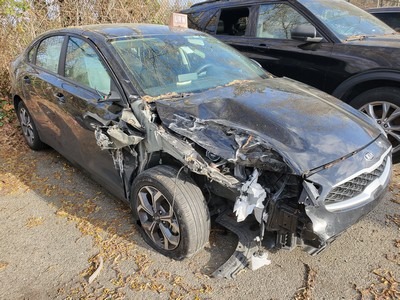
When it comes to auto body repair, knowledge is power. Whether you’ve been involved in a minor fender bender or a major collision, understanding the basics of the repair process can help you make informed decisions about your vehicle’s restoration. First and foremost, it’s essential to choose a reputable auto body shop that specializes in collision repair. Look for shops with certified technicians and positive customer reviews, as this can significantly impact the quality of work your vehicle receives. The car repair process typically begins with an assessment of the damage. Skilled technicians will evaluate both visible and hidden issues to provide an accurate estimate for repairs. This step is crucial because some damage may not be immediately apparent but could compromise your vehicle’s safety or performance. Once repairs are approved, the shop will initiate a series of steps to restore your car to its pre-accident condition. This may include frame straightening if structural damage occurred, replacing damaged panels, and repainting affected areas for a seamless finish. It’s important to ensure that high-quality materials are used during this phase; inferior parts can lead to future problems down the line. Additionally, many modern auto body shops utilize advanced technology such as computerized estimating systems, laser measuring systems, and paint-matching tools that enhance precision in repairs. By understanding these aspects of auto body repair—from selecting the right shop to knowing what happens during restoration—you empower yourself as a consumer in ensuring that your vehicle is returned safely and effectively after any collision incident. In conclusion, being informed about the nuances of auto body repair not only alleviates some stress during what can be an overwhelming experience but also helps you advocate for yourself throughout the process. Your vehicle is an investment; taking proactive steps ensures it remains safe and reliable on the road once more.
The Most Common Types of Auto Body Damage and How They are Repaired
Understanding the most common types of auto body damage is crucial for any vehicle owner. Collision damage, for instance, can range from minor dents to significant structural issues that compromise safety. The good news is that many of these damages are repairable with the right techniques.
Dent removal is one of the most frequent services offered at auto body shops. Whether it’s a small ding or a larger dent from a parking mishap, skilled technicians can often restore your vehicle’s appearance without needing to repaint. This method, known as paintless dent repair, preserves your car’s original finish and saves you money.
Scratch repair is another essential service that addresses those unsightly marks on your vehicle’s surface. Depending on the severity, scratches can be buffed out or require touch-up paint to blend seamlessly with the surrounding area.
For more severe collision damage where the frame or structure has been affected, frame straightening becomes necessary. This process ensures that your vehicle’s structural integrity is restored, providing both safety and performance.
Understanding these common types of auto body damage and their respective repair methods empowers you as a car owner to make informed decisions about maintaining your vehicle’s appearance and safety. Don’t hesitate to seek professional assistance when needed; it could save you time and money in the long run!
When it comes to selecting an auto body repair shop, it’s crucial to approach the task with careful consideration. A positive experience can greatly alleviate the stress associated with car repairs. Here are some essential tips to ensure you make a well-informed choice.
Start your search by looking for local options. Typing “auto body repair near me” into your preferred search engine can yield a list of nearby shops that warrant further investigation. However, don’t just stop there; take the extra step to verify their credentials. Seek out shops that are certified by recognized organizations—this is often indicative of their adherence to industry standards and quality workmanship. Customer reviews serve as invaluable resources in this decision-making process. Platforms like Yelp or Google Reviews provide insights into previous customers’ experiences, allowing you to gauge the reputation of each shop. Pay attention not only to the overall rating but also consider specific feedback regarding timeliness, communication, and quality of repairs received. Moreover, visiting potential shops in person can offer an additional perspective on their operations. Take note of how clean and organized the facility is; a well-maintained shop often reflects professionalism and pride in workmanship. Engage with staff members—ask questions about their experience and processes; this interaction can reveal much about customer service practices. Additionally, inquire about warranties on repairs offered by each shop, as this demonstrates confidence in their work and provides peace of mind for you as a customer. By following these guidelines—researching local options, checking certifications, reading reviews, visiting facilities personally, and understanding warranty policies—you will empower yourself to choose an auto body repair shop that aligns perfectly with your needs while ensuring a hassle-free experience throughout the process.
When it comes to ensuring your vehicle receives the highest quality care, it’s essential to start by contacting your local dealership and engaging in a conversation with a service writer. This step is crucial, as service writers are well-versed in the intricacies of vehicle maintenance and repair. They can provide you with invaluable recommendations for reputable body shops in your area. In many cases, the dealership may even operate its own body shop, staffed by factory-trained and certified technicians who possess specialized knowledge about your vehicle’s make and model. If your dealership doesn’t have an in-house body shop, don’t hesitate to inquire about their preferred recommendations. It’s important to ask whether these suggested shops employ factory-authorized technicians specifically trained for your brand of vehicle. This certification not only assures you that the technicians are experienced with the unique requirements of your car but also increases the likelihood that they will use original equipment manufacturer (OEM) parts, which are essential for maintaining optimal performance and longevity. Taking this proactive approach ensures that you will receive top-notch service from professionals who understand the specific needs of your vehicle, ultimately saving you time, money, and potential headaches down the road. A little effort at this stage can lead to a smoother repair experience and peace of mind knowing that your car is in capable hands.
When it comes to selecting repair shops recommended by insurance companies, I strongly advise exercising a degree of caution and conducting thorough due diligence regarding Direct Repair Providers (DRPs). These establishments often find themselves on an insurance company’s “preferred” list due to their ability to offer special incentives, such as discounts on parts or reduced labor rates designed to save money for the insurer. It’s important to understand the implications of these arrangements for consumers. For instance, consider that insurance companies typically negotiate a 10% discount on parts from these preferred shops. To illustrate this with a concrete example, if your vehicle requires $1,000 worth of parts for repairs, the shop operates under a $200 margin—meaning they acquire those parts at approximately $800 and subsequently mark up that cost by 25% to arrive at the final price. In this scenario, the insurance company pockets $100 from that total as part of their discount agreement. This prompts an essential question: how does the repair shop remain profitable when it is required to offer such substantial discounts? The reality is that in many cases, this financial pressure can lead to compromises in service quality. For example, you may find that the most skilled and knowledgeable technicians are not tackling your vehicle’s repairs; instead, it could very well be entrusted to someone who is less experienced or still in training. This raises concerns about whether your car is receiving the best possible care during its time in the shop. Moreover, there is also a risk that some shops may resort to cutting corners during repairs or opt for lower-quality materials in order to maintain their profit margins amidst these constraints imposed by insurance agreements. Therefore, it becomes crucial for consumers like you to ask detailed questions about warranties covering any repairs performed, specifically inquiring whether these warranties are backed by the insurance company itself or if they are solely provided by the shop. In summary, while using an insurance-recommended repair provider might seem convenient and beneficial at first glance, it’s essential not to overlook potential downsides associated with these arrangements. By taking proactive steps—such as researching reviews of different shops and understanding their warranty policies—you can ensure you make informed decisions about who will be responsible for repairing your vehicle effectively and safely.
When considering where to take your vehicle for repairs, it’s essential to gather insights from those you trust—your family and friends. Start by asking them about their experiences: which auto repair shops did they choose, and why? Were they satisfied with the quality of the repairs done on their vehicles? It’s important to delve deeper into their interactions with the shop; did they feel welcomed and respected throughout the process? A positive customer experience can make all the difference when dealing with something as stressful as car repairs. Additionally, inquire about how the insurance company managed its claims. Did everything go smoothly, or were there unexpected hurdles along the way? Timeliness is another crucial factor—was everything handled in a prompt manner, allowing them to get back on the road without undue delay? These questions can provide invaluable insight into not just which shops are reliable but also how well they handle customer service and insurance processes. Ultimately, gathering this information will empower you to make an informed decision when it comes time to address your own vehicle’s needs.
The Cost of Auto Body Repair: What Should You Expect?
When it comes to auto body repair, understanding the costs involved is crucial for every vehicle owner. The expense of repairs can vary significantly based on several factors, including the extent of the damage, the make and model of your vehicle, and the type of repair shop you choose. On average, minor repairs like dents or scratches may cost anywhere from $100 to $500, while more extensive work—such as collision repairs—can range from $2,000 to upwards of $15,000.
It’s essential to consider that quality should not be compromised for a lower price. Cheaper options might save you money upfront, but could lead to subpar work that necessitates further repairs down the line. Additionally, labor costs can differ greatly between dealerships and independent shops; while dealerships often charge higher rates due to their specialized knowledge and equipment, independent shops may provide competitive pricing with equally skilled technicians.
Before committing to any repair service, it’s wise to request detailed estimates from multiple facilities. This will help you gauge a fair price while ensuring transparency in what each quote includes. Remember that investing in high-quality auto body repair not only restores your vehicle’s appearance but also maintains its value over time—making it a smart financial decision in the long run.
Conclusion: Don’t Wait – Get Your Vehicle Professionally Repaired Today!
In conclusion, the importance of getting your vehicle professionally repaired cannot be overstated. Delaying necessary repairs can lead to more significant issues down the line, resulting in costly fixes and potential safety hazards. Whether it’s a minor dent or a major mechanical failure, addressing these problems promptly ensures that your vehicle remains reliable and safe on the road.
Professional repairs not only restore the functionality of your vehicle but also enhance its longevity and resale value. Trusting skilled technicians with your car means you’re investing in quality workmanship that can save you time and money in the long run. Don’t wait for small issues to escalate into major headaches; take action today! Your vehicle deserves expert care, and so do you. Schedule your professional repair service now and drive with confidence!
