
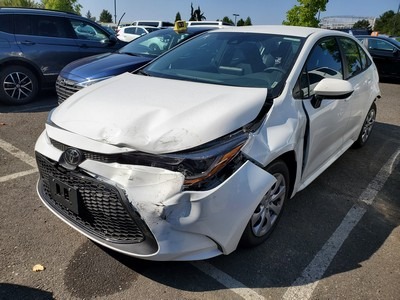
OK, you’ve been involved in a car accident. Hopefully, everyone involved is safe and unharmed, which is the most important outcome in such situations. Now, your focus shifts to repairing your vehicle and getting it back to its original condition. Finding a reliable and skilled repair shop becomes crucial at this point to ensure that your car is restored properly and safely. Making an informed and well-thought-out decision about which body shop will handle your repairs can save you time, money, and potential headaches down the road. To assist you in this process, here are some valuable tips and guidelines to help you identify a qualified auto body repair facility that meets your needs and standards.
You are legally allowed to choose any shop you want.
Do I use the insurance recommended shop?
When it comes to selecting repair shops recommended by insurance companies, I strongly advise exercising a degree of caution and conducting thorough due diligence regarding Direct Repair Providers (DRPs). These establishments often find themselves on an insurance company’s ‘Preferred’ list due to their ability to offer special incentives, such as discounts on parts or reduced labor rates designed to save money for the insurer. It’s important to understand the implications of these arrangements for consumers.
When you spoke with the insurance company, they likely encouraged you to take your vehicle to one of their designated DRP shops for repairs. These DRP shops are part of a network that insurance companies have established to streamline the repair process and potentially reduce costs. But what exactly goes into a shop becoming an insurance-approved or “insurance” shop? Typically, the insurance company negotiates a reduced labor rate with these shops for any vehicle owners they refer. This means that the shop agrees to perform repairs at a lower hourly labor charge than their standard rate in exchange for receiving a steady stream of customers sent by the insurer. However, because the shop will be paid less per hour for their work, they often need to find ways to maintain profitability despite this reduced income. One common way shops manage this is by assigning your vehicle’s repairs to one of their lower-paid or less experienced technicians, rather than more senior staff. This helps reduce labor costs but may impact how quickly and expertly your vehicle is repaired. In addition to negotiating lower labor rates, insurance companies also often secure discounts on parts used in repairs—commonly around 10%. From my experience working in body shops, these businesses typically operate on about a 20% profit margin when using Original Equipment Manufacturer (OEM) parts. So if they have to give half of that profit margin back as a discount to the insurer in exchange for receiving more business referrals, it directly affects their bottom line. Most repair shops enjoy better profit margins when using Aftermarket or used parts—often sourced from suppliers similar to LKQ (Like Kind and Quality). Because these parts cost less but can still be sold at competitive prices with higher markups, shops prefer them financially over OEM components. What does all this mean for you as a customer? In order for repair facilities within an insurance program network to remain profitable under these financial constraints, they may be less inclined or motivated to insist on using OEM parts during your vehicle’s repair process. While aftermarket or used parts can be perfectly serviceable in many cases, there are situations where OEM components might provide better fitment and longevity—meaning that cost considerations tied into DRP agreements could influence decisions about which parts are ultimately installed on your car.
The real question to ask is “Does this shop work for me-or for the insurer?”
Selecting a Car Repair Shop
When it comes to ensuring your vehicle receives the highest quality care and maintenance, it is absolutely essential to begin by reaching out to your local dealership and initiating a detailed conversation with a knowledgeable service writer. This initial step plays a crucial role in the overall process because service writers possess specialized expertise in the complexities of vehicle maintenance and repair procedures. Their extensive understanding allows them to offer you invaluable guidance and tailored recommendations for reputable body shops located within your area, helping you make informed decisions about where to take your car. In many instances, dealerships operate their own dedicated body shops, which are staffed by factory-trained and certified technicians. These professionals have undergone rigorous training specifically designed around the unique characteristics of your vehicle’s make and model. Such focused expertise means that they are highly familiar with the intricate systems and components of your car, enabling them to perform repairs and maintenance work at an exceptionally high standard. If, however, your local dealership does not maintain an in-house body shop, it is important not to hesitate when asking about their preferred or recommended external repair facilities. When seeking these recommendations, be sure to inquire whether the suggested shops employ factory-authorized technicians who have received specialized training tailored specifically for your brand of vehicle. This certification is more than just a credential; it serves as a strong assurance that these technicians understand the precise requirements of your car’s design and engineering. Moreover, choosing a certified facility increases the likelihood that only original equipment manufacturer (OEM) parts will be used during any necessary repairs or replacements. OEM parts are critical because they ensure compatibility with your vehicle’s systems, maintaining both optimal performance levels and long-term reliability. Using OEM components helps preserve warranties and can prevent issues that sometimes arise from inferior or non-standard parts. By taking this proactive approach—starting with consultation at your dealership—you set yourself up for receiving superior service from professionals who truly comprehend what makes your specific vehicle tick. This careful planning not only enhances the quality of repairs but also saves you valuable time by minimizing delays caused by improper fixes or part mismatches. Additionally, it can save you money over time by preventing recurring problems that stem from subpar servicing methods. Ultimately, investing effort at this early stage leads to a smoother repair experience overall and provides peace of mind knowing that expert hands are caring for your car’s needs. Whether dealing with routine maintenance or unexpected damage requiring body work, collaborating closely with trusted dealership personnel ensures that every aspect is handled efficiently while preserving the integrity and longevity of one of your most important assets: your vehicle.
Search by focusing on local options to find the most convenient and accessible auto body repair shops. Simply typing phrases like “auto body repair near me” into your preferred search engine can generate a comprehensive list of nearby establishments that merit further exploration. However, it’s important not to stop at just compiling this initial list. Take the additional step to thoroughly verify each shop’s credentials before making a decision. Look specifically for certifications from recognized industry organizations, as these credentials typically indicate a commitment to adhering to established standards and delivering quality workmanship. In addition to verifying certifications, customer reviews are invaluable resources that can guide you towards trustworthy shops. Online platforms such as Yelp and Google Reviews offer a wealth of feedback from previous customers, providing real-world insights into their experiences with various repair facilities. When evaluating these reviews, pay close attention not only to the overall star ratings but also to specific comments related to critical factors such as timeliness of service, clarity and frequency of communication throughout the repair process, and the quality of repairs performed. By carefully considering both objective credentials and subjective customer experiences, you can make a well-informed choice that ensures your vehicle receives reliable and professional care.
When considering where to take your vehicle for repairs, it’s essential to gather detailed insights from those you trust most—your family and friends. Begin by asking them about their personal experiences with various auto repair shops: which places did they choose, and what motivated their decision? Understanding the reasons behind their choices can reveal valuable information about a shop’s reputation, pricing, and specialties. Were they satisfied with the quality of the repairs performed on their vehicles? It’s important not only to know if the repairs were effective but also if they stood the test of time without recurring issues. Moreover, delve deeper into their interactions with the shop staff; did they feel welcomed and respected throughout the entire process? A positive customer experience often reflects a shop’s professionalism and commitment to service, which can make all the difference when dealing with something as stressful as car troubles. Friendly communication, clear explanations of necessary work, and transparency in pricing can greatly ease your concerns. Additionally, ask how smoothly their insurance claims were managed—did everything proceed without complications, or were there unexpected hurdles that caused delays or frustration?Timeliness is another crucial consideration: was all work performed promptly so that they could get back on the road quickly without unnecessary downtime? A reliable repair shop will prioritize efficient service while maintaining high standards of workmanship. Gathering answers to these questions offers invaluable insight not just into which shops are trustworthy for quality repairs but also how well they handle customer service and coordinate insurance processes. Ultimately, compiling this information from trusted sources will empower you to make a well-informed decision when it comes time to address your own vehicle’s maintenance or repair needs. By choosing a reputable auto repair shop known for excellent craftsmanship and attentive customer care, you can ensure peace of mind knowing your vehicle is in capable hands.
In conclusion, the importance of getting your vehicle professionally repaired cannot be emphasized enough. Ignoring or delaying necessary repairs often leads to more severe and complicated issues over time, resulting in much higher repair costs and potentially dangerous safety hazards that could compromise both you and other road users. Whether you are dealing with a minor cosmetic dent or facing a major mechanical failure, addressing these problems promptly plays a critical role in maintaining your vehicle’s reliability and ensuring it remains safe to drive on the road. Professional repairs go beyond simply fixing immediate problems; they also restore your vehicle’s overall functionality, improve its performance, and contribute significantly to its longevity. Moreover, well-maintained vehicles tend to retain higher resale value, making timely repairs an investment that pays off in multiple ways. By entrusting your car to skilled technicians who possess the necessary experience and expertise, you are guaranteeing quality workmanship backed by industry knowledge—workmanship that can ultimately save you both time and money by preventing recurring issues. Don’t wait for small problems to escalate into expensive headaches or safety risks; take proactive action today! Your vehicle deserves expert care tailored specifically to its needs—and so do you as a responsible owner. Schedule your professional repair service now to ensure peace of mind on every journey ahead, allowing you to drive confidently knowing that your car is in top condition.
