
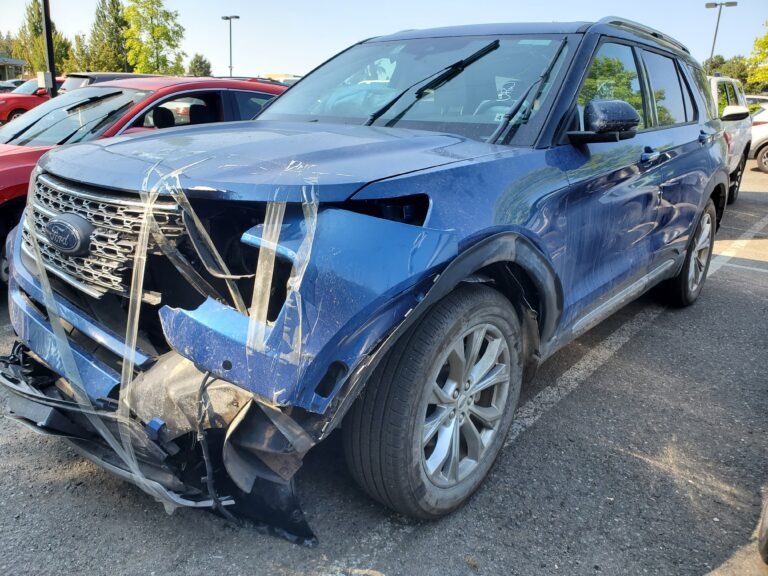
When you finally retrieve your car from the shop, it gleams with a pristine luster, reminiscent of the very first day you drove it off the dealership lot. Its surface is smooth and shiny, free from dust and blemishes, as if it has been rejuvenated to its original glory. However, the question arises: how can you maintain that showroom-fresh appearance for as long as possible? To truly preserve your vehicle’s aesthetic appeal, we must first delve into the specifics of what services were performed during its time in the shop and examine the type of finish that was expertly applied to your car’s exterior. Typically, when a car undergoes servicing or detailing, several meticulous processes are involved. These may include thorough washing and waxing, paint correction to eliminate scratches and swirls, or even ceramic coating application for enhanced protection against environmental factors. Understanding these procedures not only gives insight into how your vehicle was revitalized but also informs you about maintenance strategies tailored to each specific finish used on your car.
If your car has undergone repairs at a body shop, it’s likely that the damaged areas were restored using advanced water-based paint, which has become the industry standard for several compelling reasons. This innovative paint is not only more environmentally friendly than traditional solvent-based options, but it also boasts superior color-matching capabilities and lower solvent content, making it a safer choice for both workers and consumers. Additionally, water-based paints dry more quickly and are easier to clean up after application, enhancing the efficiency of repair processes. However, it’s important to acknowledge some challenges associated with this technology; the higher cost of materials can be a deterrent for some shops. Moreover, specialized equipment is necessary to apply these paints effectively, as they are sensitive to humidity levels and require a controlled environment to achieve optimal results. Furthermore, the application of a clear coat is essential for durability and aesthetics. Despite these hurdles, the benefits of water-based paint far outweigh its drawbacks; investing in this modern solution not only contributes to environmental sustainability but also ensures your vehicle looks its best while being repaired with cutting-edge techniques that prioritize quality and safety.
So, how should you maintain your car’s finish to ensure it remains in pristine condition? After you’ve invested time and resources into painting your vehicle, it’s crucial to understand that the newly applied paint requires a proper curing period of approximately 60-90 days. During this critical timeframe, it is imperative that you do NOT wax your car, as doing so can inadvertently seal the paint and prevent it from curing correctly. Furthermore, during this delicate period, you should limit yourself strictly to hand-washing your vehicle. This method allows for greater control and gentleness compared to mechanical alternatives. Avoid using automatic car washes entirely—this includes even touchless options—since they typically employ strong detergents and various chemicals designed for quick cleaning, but can be detrimental to your freshly painted surface. The harshness of these products might compromise the integrity of the new finish, leading to potential damage or premature wear. By taking these precautions seriously and committing to a careful maintenance routine during the initial curing phase, you will protect your investment and help ensure that your car looks stunning for years to come. Remember: patience is key when it comes to preserving that flawless finish!
For the first 30 days, when you choose to hand-wash your vehicle, it’s crucial to consider the conditions under which you do so. Ideally, you should wash your car in the shade rather than in direct sunlight. This simple decision can significantly enhance the effectiveness of your cleaning process and protect your vehicle’s exterior. The sun can cause soap and water to dry too quickly on the surface, potentially leaving unsightly streaks or water spots that diminish the overall appearance of your car. Additionally, it is important to utilize a soft cloth or sponge specifically designed for automotive care. Harsh materials can inadvertently scratch or damage the paintwork over time, leading to costly repairs. Selecting a mild car wash solution is also essential; using specialized automotive cleaners or even gentle dish soap ensures that you effectively remove grime without harming the finish. Furthermore, avoid practices such as drying with a wipe cloth after washing or relying on aerosol spray cleaners that are simply sprayed on and wiped off. These techniques may seem convenient, but they can result in significant scratches on freshly painted surfaces due to abrasive particles caught in the fabric of towels or sponges. If you opt for microfiber cloths—which are highly effective at trapping dust and dirt—make sure they are brand new and never washed with fabric softeners or bleaches. Washing them in a conventional washer and dryer may seem harmless; however, the heat generated during drying can melt the delicate micro edges of these cloths, transforming them into potential hazards for your paint finish instead of helpful tools for maintenance. In summary, by taking these precautions when washing your vehicle—choosing shaded areas for cleaning, using appropriate cleaning tools and solutions—you’ll not only enhance its appearance but also preserve its value over time. A little diligence goes a long way in ensuring that your investment remains protected against unnecessary damage while looking its absolute best!
After you have carefully waited for the appropriate amount of time for the paint to fully cure, you can confidently move on to waxing your vehicle, a vital step in protecting and enhancing its appearance. Begin by thoroughly washing and drying your car to remove any dirt, grime, or residue that could interfere with the waxing process. Once your vehicle is spotless, choose the wax company’s recommended applicator—this is crucial as different waxes may require specific tools for optimal results. Next, apply the wax methodically to a small section of the car’s surface. This careful approach not only ensures even coverage but also allows you to monitor the drying process effectively. After applying the wax, allow it to dry until it forms a light haze; this indicates that it has set properly without compromising its effectiveness. When it’s time to buff off the dried wax, use a fresh and clean microfiber cloth—this type of fabric is specifically designed for delicate surfaces and will help avoid scratching or damaging your newly painted finish. As you work through this step, remember that patience is key; tackling small areas at a time prevents the wax from hardening too much. If left too long without being buffed out, hardened wax can lead to irreversible damage to your paint’s finish—a scenario no car owner wants to face. By following these detailed instructions meticulously, you not only preserve but also enhance your vehicle’s aesthetic appeal while ensuring lasting protection against environmental elements.
Be sure you use a quality wax or ceramic coating. Do not use a polish! Wax and ceramic add a protective coating to your paint, and polish has an abrasive compound that is used to remove a layer of paint or other imperfections.
When it comes to the decision of whether to wax your vehicle or apply a ceramic coating, it’s essential to weigh the benefits and drawbacks of each option thoughtfully. While traditional waxing can enhance your car’s shine and provide a temporary layer of protection, ceramic coatings stand out as the superior choice for those seeking long-term defense against environmental hazards. Ceramic coatings offer unmatched protection against various forms of environmental damage, including harmful UV rays, acid rain, and road grime. When you invest in a ceramic coating, you are essentially applying a highly durable and hydrophobic layer that effectively repels water, along with dirt and other contaminants. This remarkable property not only keeps your vehicle cleaner for longer periods but also simplifies the cleaning process significantly. Imagine being able to simply rinse off mud or debris without extensive scrubbing – that’s the power of a ceramic coating. However, it is important to acknowledge that this advanced solution does come with a higher upfront cost compared to conventional waxing methods. Additionally, achieving optimal results from a ceramic coating requires careful application and proper maintenance to ensure its longevity. This might include routine inspections and occasional touch-ups, which some may view as an inconvenience. Despite these considerations, the protection provided by ceramic coatings is invaluable; they safeguard your car’s paint from unsightly scratches and swirl marks while also shielding it from chemical damage caused by substances like bird droppings or tree sap that can erode paint over time. In essence, opting for a ceramic coating is not merely about aesthetics; it’s an investment in your vehicle’s longevity and overall appearance that pays dividends in terms of both protection and ease of maintenance in the years ahead. Ceramic coatings can be expensive, especially when professionally installed.
If a high-quality wax was meticulously applied during the detailing process, committing to regular waxing every few months will not only help maintain that lustrous sheen but also provide an additional layer of protection against damaging UV rays and harmful contaminants. This proactive approach is akin to a protective shield, ensuring that your vehicle’s exterior remains vibrant and resilient against the elements. On the other hand, if a ceramic coating was utilized—an exceptionally durable option renowned for its long-lasting protective qualities—the maintenance routine can be considerably simplified. Ceramic coatings significantly reduce the occurrence of water spots and inhibit dirt accumulation, making it easier to keep your car looking pristine with minimal effort. By understanding these critical details about both your car’s recent treatment and its specific finish type, you’ll be better equipped to implement effective care routines. This knowledge empowers you to ensure that your vehicle continues to exude that brand-new appearance for many years into the future, preserving not just its aesthetic appeal but also its value over time.
